
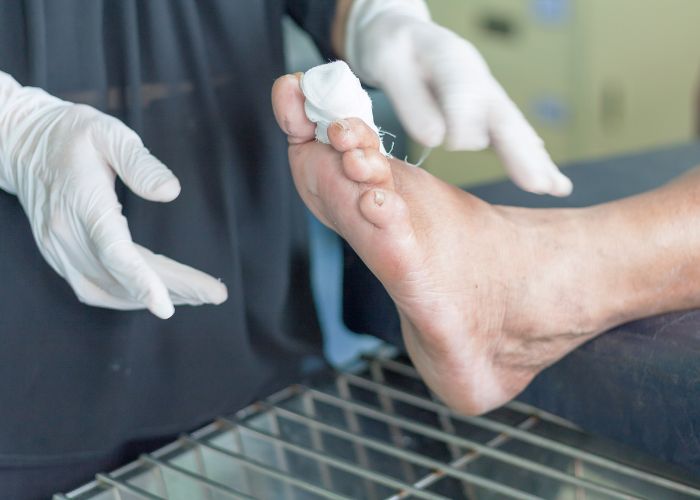
Why Do Diabetic Foot Wounds Heal Slowly?
A small cut on the foot may not seem worrying at first. Most people expect it to close within a few days. With diabetes, however, the same cut can remain open, become infected, or gradually develop into an ulcer.
This happens because diabetes can affect several systems involved in healing. Blood may not reach the feet as efficiently, damaged nerves may hide pain, and the body may struggle to control infection. Pressure from everyday walking can make the problem worse.
If a wound is not improving, it is sensible to consult a diabetic foot doctor Andheri rather than waiting for pain to appear. Some serious diabetic foot wounds cause surprisingly little discomfort. Timely diabetic wound treatment can prevent a small injury from becoming a much more complicated problem.
A Minor Injury Can Easily Go Unnoticed
Many diabetic foot ulcers begin with ordinary injuries. It could be a blister from a new pair of shoes, a crack in dry skin, a small cut while trimming the nails, or a sharp object inside the footwear.
Normally, pain alerts us to the problem. We stop walking, remove the shoe, clean the injury, and protect it. Diabetic neuropathy can weaken that warning system. Someone may continue walking on an injured foot simply because nothing feels wrong.
By the time the wound is noticed, it may have become deeper or infected. This is one reason daily foot inspection is so important for people with diabetes.
Reduced Blood Flow Slows Repair
A healing wound needs oxygen and nutrients. Both are delivered through the blood. Diabetes can gradually damage blood vessels and increase the risk of peripheral arterial disease, which reduces circulation to the legs and feet.
With less blood reaching the wound, the body has fewer resources available to rebuild damaged tissue. Immune cells and antibiotics may also find it harder to reach an infected area.
A diabetic foot doctor Andheri may check the temperature and colour of the skin, feel the pulses in the feet, and assess how quickly colour returns after gentle pressure. Further tests may be recommended if circulation appears poor.
Improving blood flow, where possible, can be just as important as caring for the wound itself.
Nerve Damage Removes the Warning Signs
Diabetic neuropathy may cause tingling, burning, numbness, or reduced awareness of temperature and pressure. Some people describe the feeling as if they are constantly wearing thick socks.
The problem is not only a lack of pain. Neuropathy may also affect muscles in the foot, gradually changing its shape and the way body weight is distributed. One small area may then carry more pressure than it should.
Over time, the skin in that area becomes thick and hard. A callus forms, the tissue underneath breaks down, and an ulcer may appear. Because there may still be no pain, the person continues walking normally.
Regular checks by a healthcare professional can identify these pressure points before the skin breaks.
High Blood Glucose Makes Infection Harder to Control
Persistently high blood glucose affects the immune system and can interfere with the formation of healthy new tissue. Bacteria may multiply more easily, while the body’s response to infection may be less effective.
Managing glucose is therefore an important part of diabetic wound treatment. It is not the only part, though. A wound may still require cleaning, pressure relief, infection treatment, circulation testing, or removal of unhealthy tissue.
Diabetes medicines should not be changed without speaking to the treating physician. The aim is to manage the wound and blood glucose together.
Pressure Can Reopen the Wound Every Day
Imagine trying to repair a crack while someone repeatedly presses on it. Something similar happens when an ulcer is located on the sole of the foot.
Even with a dressing in place, each step can disturb delicate new tissue. The wound may appear better after resting but break down again once normal walking resumes.
Reducing pressure is known as offloading. Depending on the wound, this may involve special footwear, insoles, a removable walking device, a cast, or temporary activity changes. A clinician should decide which option is appropriate.
Ignoring offloading is one of the common reasons an otherwise well-managed wound fails to close.
Signs That May Indicate Infection
Pain is not always a reliable sign of infection in someone with diabetic neuropathy. Look for visible changes instead:
- Redness spreading beyond the wound
- New or increasing swelling
- Warmth around the affected area
- Pus, cloudy fluid, or an unpleasant smell
- Dark, grey, or black tissue
- A wound becoming wider or deeper
- Fever, chills, or unusual weakness
An infection can move into deeper tissue and sometimes reach the bone. These changes require urgent assessment. Do not wait for a scheduled appointment if the foot is getting worse quickly.
What Diabetic Wound Treatment Usually Involves
Treatment depends on the wound rather than following one fixed routine. During an assessment, the clinician may measure the ulcer, examine its depth, check the surrounding skin, look for infection, and assess circulation.
A care plan may include:
- Cleaning and protecting the wound
- Choosing a dressing suited to its condition
- Removing dead tissue when appropriate
- Relieving pressure from the affected area
- Treating infection when present
- Reviewing blood glucose management
- Checking footwear and walking patterns
- Arranging vascular tests or treatment
- Monitoring progress at regular appointments
A diabetic foot doctor Andheri may also involve a diabetes physician, vascular specialist, surgeon, podiatrist, wound-care nurse, or infection specialist. Complex ulcers often need input from more than one professional.
When Should You Seek Medical Help?
Arrange an assessment for any open wound, blister, puncture, swelling, discharge, or unexplained colour change on a diabetic foot. Seek urgent care if redness is spreading, the skin becomes black, pus appears, fever develops, or the foot suddenly becomes hot and swollen.
Avoid cutting calluses yourself or applying corn removers, acids, herbal pastes, or strong antiseptics without medical advice. These products can damage surrounding skin and delay appropriate diabetic wound treatment.
Frequently Asked Questions
How long can a diabetic foot wound take to heal?
Some superficial wounds heal within weeks, while deeper ulcers may take months. Circulation, infection, pressure, glucose control, and wound depth all affect healing time.
Can a serious diabetic foot wound be painless?
Yes. Nerve damage may prevent the person from feeling pain even when the wound is deep or infected.
Should I cover a diabetic foot wound?
A wound usually requires protection, but the correct dressing depends on its depth, moisture, tissue, and infection status. It should be selected after assessment.
Can I treat a diabetic foot ulcer at home?
You can inspect and protect the foot, but an open ulcer needs professional assessment. Home remedies may hide infection or cause further damage.
When should I consult a diabetic foot doctor Andheri?
Seek an assessment as soon as you notice a wound, blister, discharge, swelling, unusual warmth, colour change, or an injury that is not improving.
Does glucose control help diabetic wounds heal?
Yes. Keeping glucose within the target recommended by your medical team supports immune function and tissue repair, although additional wound care may still be necessary.
How can another foot ulcer be prevented?
Inspect your feet daily, wear properly fitted footwear, avoid walking barefoot, manage blood glucose, address minor injuries early, and attend regular foot examinations.

2 Responses