
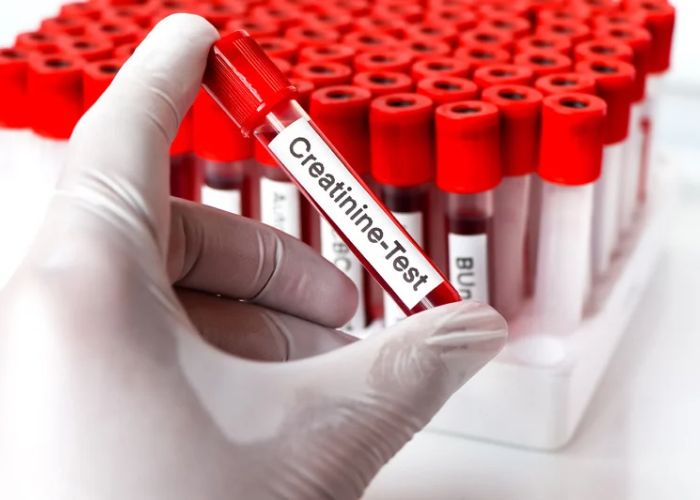
Creatinine vs eGFR: Which Test Shows Kidney Function?
Have you ever opened a blood test report and wondered why your creatinine looks normal but your eGFR is marked low? This is common in diabetes. Kidney problems can develop quietly, long before you notice swelling or changes in urination.
If you are searching for Diabetes Kidney Failure treatment in Andheri, understanding these numbers is a useful starting point. Creatinine measures a waste product in your blood, while eGFR estimates how well your kidneys filter it. Neither tells the whole story without a urine test for albumin.
Understanding these tests makes conversations about diabetic kidney disease treatment less confusing. It explains why doctors screen for diabetic nephropathy even when someone feels perfectly well.
What Does a Creatinine Test Measure?
Your muscles produce creatinine daily. The kidneys normally filter much of it out, removing it through urine. When kidney filtration decreases, creatinine often builds up in the blood.
But creatinine is not straightforward. Muscle mass, recent meat consumption, certain medicines, and dehydration can affect the reading. A fit, muscular person may have a higher level than someone with very little muscle, despite different kidney function.
That is why doctors rarely judge kidney health from one creatinine result alone.
What Is eGFR, and Why Does It Matter?
eGFR means estimated glomerular filtration rate. Most laboratories calculate it using blood creatinine, age, and sex. The result estimates the amount of blood your kidneys filter each minute, adjusted to a standard body surface area.
Generally, higher eGFR suggests better filtration; lower numbers deserve attention. An eGFR below 60 for at least three months may indicate chronic kidney disease. However, one low result does not confirm a lasting problem.
The estimate can also be less reliable during sudden illness or rapidly changing kidney function. Sometimes clinicians use cystatin C testing for a clearer assessment.
Creatinine vs eGFR: Which Is More Useful?
Think of creatinine as the measurement and eGFR as an interpretation of that measurement. They answer related but different questions:
- Creatinine: How much of this waste product is circulating in your blood?
- eGFR: How efficiently are your kidneys likely filtering blood?
- Urine albumin-to-creatinine ratio (UACR): Is albumin leaking into urine, suggesting possible kidney damage?
For assessing filtration, eGFR is generally easier to interpret than creatinine alone. Yet a normal eGFR does not rule out early kidney disease when urine albumin is raised.
Why Are These Tests Important in Diabetes?
Over time, high blood sugar can damage the kidneys’ tiny filtering structures. High blood pressure can add to that strain. This condition is commonly called diabetic kidney disease, and diabetic nephropathy is another term often used in this context.
Early damage may cause no noticeable symptoms. Someone can feel energetic, work normally, and still have albumin leaking into their urine.
That is why diabetic kidney disease treatment begins with identifying changes early, rather than waiting for symptoms. Monitoring both eGFR and UACR helps doctors understand whether the condition is stable or progressing.
How Often Should Kidney Function Be Checked?
For adults with type 2 diabetes, eGFR and UACR are generally recommended at least once a year, starting at diagnosis. For type 1 diabetes, routine screening usually begins five years after diagnosis.
Testing may be more frequent if results are abnormal, kidney disease is already present, or medicines need monitoring. A temporary illness, strenuous exercise, or infection can affect some results, so your doctor may request repeat tests before making a diagnosis.
Keep previous reports. Trends over months often tell a more useful story than one number on one day. This is especially important with diabetes.
What If Your Kidney Results Are Abnormal?
Seeing a flagged result can be unsettling. It does not automatically mean kidney failure, and it certainly does not mean everyone needs dialysis.
Your clinician will consider blood pressure, blood glucose, medications, urine albumin, and previous measurements. Diabetic kidney disease treatment may include personalised glucose management, blood pressure control, and kidney-protective medicines such as SGLT2 inhibitors or ACE inhibitors or ARBs when appropriate.
Treatment choices depend on your health history and test results. Never change prescribed medicines without medical advice.
When Should You Seek Kidney Care in Andheri?
If your eGFR continues to fall, urine albumin remains high, or blood pressure is difficult to manage, speak with your doctor. Specialist assessment may be needed, particularly when eGFR is below 30 or the cause is uncertain.
People looking for Diabetes Kidney Failure treatment in Andheri should seek an individual evaluation rather than assuming one laboratory result explains everything. Severe breathlessness, confusion, or markedly reduced urination requires urgent medical attention.
Frequently Asked Questions
Can creatinine be normal despite kidney disease?
Yes. Early damage or low muscle mass can make creatinine appear reassuring, so eGFR and UACR matter.
Is eGFR better than creatinine?
For estimating filtration, generally yes. Doctors still interpret both results alongside urine findings and clinical history.
What eGFR indicates kidney failure?
An eGFR below 15 can indicate kidney failure, but treatment depends on symptoms and specialist assessment.
Can diabetic nephropathy be reversed?
Some early changes may improve, but established scarring may not reverse. Early care can slow progression.
Which test detects early diabetic kidney disease?
UACR can identify albumin leakage before eGFR falls. Both tests are important for screening.
Where can I get Diabetes Kidney Failure treatment in Andheri?
A diabetes specialist or nephrologist can review your reports, examine possible causes, and discuss suitable care.


2 Responses