
How Often Should Thyroid Levels Be Tested?
There is no fixed thyroid-testing schedule that works for everyone. How often you need a blood test depends on your diagnosis, symptoms, medication, age, pregnancy status, and whether your hormone levels have remained stable. Someone beginning thyroid treatment in Andheri may need checks every few weeks, while a person taking the same dose for years may test only once or twice annually.
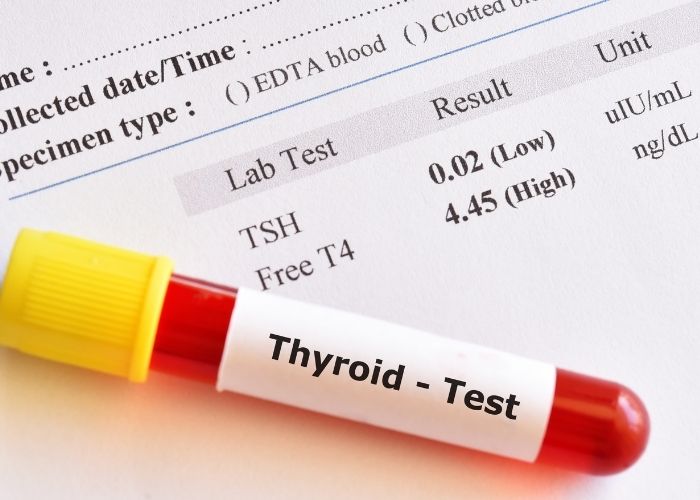
A thyroid specialist in Andheri will usually consider thyroid-stimulating hormone (TSH), free thyroxine (free T4), symptoms, and medical history together. Free T3 and thyroid antibodies have specific uses but are not necessary at every appointment. During hypothyroidism treatment, the timing of each test matters. Testing too soon can be misleading, while testing too late may delay a needed dose adjustment.
Testing After a New Hypothyroidism Diagnosis
When levothyroxine is first prescribed, TSH is generally checked again after six to eight weeks. This waiting period allows thyroid hormone levels to settle and shows how the body is responding to the starting dose.
The result is not considered in isolation. Age, symptoms, free T4, heart health, pregnancy plans, and other medical conditions can all influence the next step. If the dose changes, another test is commonly arranged six to eight weeks later. This process continues until the desired range is reached.
Although waiting can feel frustrating, earlier testing may not provide useful information. Never increase, reduce, or stop medication without discussing it with the doctor managing your hypothyroidism treatment.
Testing After a Dose or Medicine Change
Changing the dose is not the only reason levels can shift. Moving to another formulation, altering the time of day you take levothyroxine, or taking it differently with food may affect absorption.
A repeat test is usually planned six to eight weeks after such a change. A thyroid specialist in Andheri may arrange an earlier clinical review if troubling symptoms appear, even though TSH may still require time to stabilise.
Calcium, iron, antacids, certain cholesterol medicines, and some supplements can interfere with levothyroxine. Missed doses and inconsistent timing can also lead to fluctuating results. For that reason, thyroid treatment in Andheri should include a careful review of medication habits before the dose is increased.
Monitoring Once Levels Are Stable
Once TSH is within the target range and the medication dose has remained unchanged, testing every six to twelve months is often sufficient. Some patients need closer monitoring because of previous unstable results, changing symptoms, other illnesses, or medicine interactions.
Stable results do not mean follow-up is no longer necessary. Pregnancy, menopause, ageing, major weight changes, and newly prescribed medicines may alter thyroid hormone requirements.
Arrange an earlier review if familiar symptoms return. These may include fatigue, constipation, unexplained weight change, palpitations, tremors, or unusual sensitivity to heat or cold. Effective hypothyroidism treatment should respond to meaningful clinical changes rather than follow the calendar alone.
Thyroid Tests Before and During Pregnancy
Pregnancy can increase thyroid hormone requirements quickly. Anyone with known hypothyroidism should contact their clinician once pregnancy is confirmed rather than waiting for the next routine appointment.
TSH and free T4 are often checked about every four weeks during the first half of pregnancy and at least once later. The exact schedule depends on previous results, medication needs, and individual risk.
People planning a pregnancy should discuss thyroid targets in advance. A thyroid specialist in Andheri can create a monitoring plan suited to each stage. Well-managed hypothyroidism treatment supports maternal health and fetal development, while unnecessarily high replacement doses should also be avoided.
What Happens After Delivery?
Medication needs may fall after childbirth, especially if the levothyroxine dose was increased during pregnancy. Some patients are advised to return to their earlier dose and check TSH approximately six weeks after delivery. This decision should always be individualised.
Postpartum thyroiditis can cause a temporary overactive phase followed by an underactive phase. Tiredness, anxiety, palpitations, and weight changes can easily be mistaken for ordinary postpartum experiences. Thyroid treatment in Andheri should therefore be guided by both laboratory results and clinical assessment.
Normal Results but Continuing Symptoms
Persistent fatigue, hair loss, low mood, poor concentration, or weight change does not automatically mean the thyroid medication is wrong. Anaemia, vitamin deficiencies, diabetes, sleep disorders, stress, and other health problems may cause similar symptoms.
A thyroid specialist in Andheri may repeat TSH and free T4, check how medication is being taken, and investigate other explanations. Repeating blood tests at very short intervals rarely helps when results are already stable. Thoughtful hypothyroidism treatment considers the patient’s wider health rather than responding to one laboratory number.
Who Needs More Frequent Monitoring?
More frequent testing may be appropriate for:
- Pregnant people or those planning pregnancy
- Children and adolescents taking thyroid medication
- Older adults and people with heart disease
- Patients with pituitary conditions
- People using medicines that affect thyroid function or absorption
- Anyone experiencing major weight, symptom, or dose changes
- Patients receiving treatment for thyroid cancer or hyperthyroidism
These groups may have different targets and monitoring needs. A thyroid specialist in Andheri can determine an appropriate schedule based on the diagnosis, treatment goals, and overall health.
Preparing for a Thyroid Blood Test
Follow the instructions provided by the clinician and laboratory. Whenever possible, have each test performed under similar conditions, particularly when the doctor is comparing results over time.
Share a complete list of medicines and supplements. Biotin, commonly found in hair and nail supplements, can interfere with certain thyroid tests. Do not stop any medicine or supplement unless advised.
Ask whether levothyroxine should be taken before or after the blood draw. Keeping the routine consistent makes results easier to interpret and allows thyroid treatment in Andheri to be based on reliable comparisons.
Frequently Asked Questions
How Often Should TSH Be Checked in Hypothyroidism?
TSH is generally checked six to eight weeks after starting or changing medication. Once levels and dosage are stable, testing usually occurs every six to twelve months.
Which Tests Monitor Thyroid Treatment?
TSH is the main monitoring test for primary hypothyroidism. Free T4 may also be measured, while additional tests depend on the diagnosis and clinical situation.
Can Thyroid Levels Be Tested Too Frequently?
Yes. Testing before hormone levels stabilise may produce confusing results. A thyroid specialist in Andheri can recommend a medically appropriate testing interval.
Should I Take Thyroid Medicine Before Testing?
Instructions differ between clinics and laboratories. Follow the same routine for each test and ask whether your morning dose should be taken before the blood draw.
Why Does TSH Change on the Same Dose?
Missed doses, inconsistent timing, weight changes, pregnancy, illness, medicine interactions, supplements, and digestive absorption problems can all affect TSH levels.
Does Hypothyroidism Require Lifelong Monitoring?
Many people require long-term hypothyroidism treatment and monitoring. Testing frequency depends on the cause, medication stability, symptoms, age, pregnancy, and other medical conditions.



One Response