Can Thyroid Disorders Affect Menstrual Cycles and Fertility?
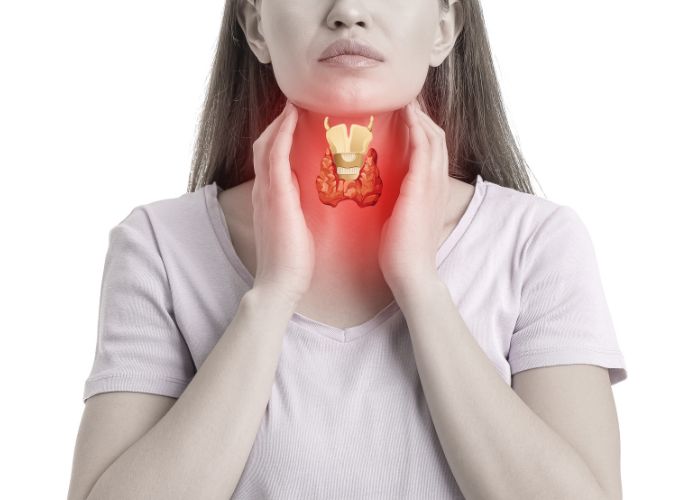
Thyroid disorders can affect periods, ovulation, and fertility. The thyroid gland produces hormones that influence metabolism and interact with the reproductive system. When thyroid hormone levels become too low or too high, periods may become irregular, unusually heavy, lighter than normal, or stop for several months.
Women seeking thyroid treatment in Andheri may initially notice missed periods, persistent tiredness, unexplained weight changes, or difficulty becoming pregnant. A consultation with a thyroid specialist Andheri generally includes a review of these symptoms and blood tests for thyroid-stimulating hormone (TSH) and free thyroxine (free T4).
If an underactive thyroid is confirmed, appropriate hypothyroidism treatment can help restore hormone levels. Menstrual cycles and ovulation may also improve once thyroid function is controlled. However, thyroid disease is not the only cause of irregular periods or infertility. A complete assessment may be needed to identify other contributing factors.
How Does the Thyroid Affect Menstrual Cycles?
Thyroid hormones communicate with the brain, pituitary gland, and ovaries. Together, these systems regulate the development of ovarian follicles, ovulation, and the monthly preparation of the uterine lining.
When the thyroid produces insufficient hormone, these signals may become disrupted. Hypothyroidism can cause heavy or prolonged periods, unpredictable cycle lengths, or absent periods. It can sometimes raise prolactin levels as well, making regular ovulation more difficult.
An overactive thyroid, known as hyperthyroidism, may have a different effect. Periods can become lighter, shorter, less frequent, or absent.
During thyroid treatment in Andheri, patients should mention any changes in cycle length, bleeding, pain, or frequency. It also helps to explain when the changes began and whether they appeared alongside other symptoms.
Can Hypothyroidism Make It Difficult to Conceive?
Hypothyroidism may affect fertility if it prevents regular ovulation. When ovulation becomes unpredictable, identifying the fertile window and becoming pregnant can be more difficult.
This does not mean that every woman with hypothyroidism will experience infertility. Age, ovarian reserve, fallopian-tube health, sperm quality, weight, lifestyle, and other medical conditions can also affect the chance of conception.
Untreated or inadequately managed hypothyroidism has been associated with a higher risk of miscarriage and certain pregnancy complications. Women planning a pregnancy should discuss thyroid testing with their doctor, especially if they have symptoms, irregular periods, previous thyroid disease, recurrent pregnancy loss, or an autoimmune condition.
A thyroid specialist Andheri can assess whether the symptoms and laboratory findings support a thyroid diagnosis. Hypothyroidism treatment should not begin based on symptoms alone because anaemia, polycystic ovary syndrome, stress, and other hormonal conditions may produce similar problems.
How Are Thyroid Disorders Diagnosed?
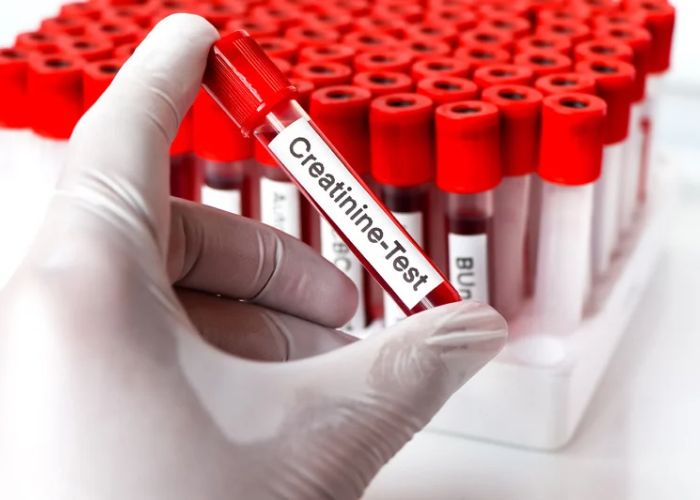
Testing normally starts with TSH and free T4.
A high TSH level combined with a low free T4 level usually indicates primary hypothyroidism. A low TSH level with raised thyroid hormones may suggest hyperthyroidism. Doctors may also check thyroid-peroxidase antibodies if they suspect Hashimoto’s thyroiditis or another autoimmune thyroid condition.
A thyroid specialist Andheri may ask about:
- Menstrual history and recent cycle changes
- Previous pregnancies or pregnancy loss
- Current medicines and supplements
- Family history of thyroid disease
- Existing autoimmune conditions
- Plans for pregnancy
Additional tests may be required if thyroid results do not fully explain the menstrual or fertility problem. These could include prolactin testing, reproductive hormone tests, pelvic ultrasound, or a broader fertility evaluation.
Hypothyroidism Treatment and Menstrual Health
Levothyroxine is commonly used for hypothyroidism treatment. It replaces the T4 hormone that an underactive thyroid cannot produce in sufficient amounts.
The dose is individualised according to blood-test results, age, body requirements, pregnancy status, heart health, and other medical factors. There is no single dose that is suitable for every patient.
TSH is usually checked again after treatment begins or the dosage changes. Thyroid levels take time to stabilise, so periods may not become regular immediately. Some women notice improvement over the following menstrual cycles.
If periods remain irregular after thyroid levels return to the target range, other possible causes should be investigated. Increasing or changing the medicine without supporting test results may not solve the problem.
During thyroid treatment in Andheri, patients should tell their doctor if they take calcium, iron, antacids, biotin, or other supplements. Some products can reduce levothyroxine absorption or interfere with thyroid-test results. Medication should not be stopped or adjusted without medical guidance.
Thyroid Care When Planning a Pregnancy
Thyroid needs can change during pregnancy. Women already undergoing hypothyroidism treatment should contact their doctor after confirming a pregnancy because earlier testing and a dosage review may be necessary.
Laboratory results also need to be interpreted using pregnancy-appropriate reference ranges. Good thyroid control supports maternal health and the baby’s early development.
A thyroid specialist Andheri may work with the patient’s obstetrician or fertility specialist when thyroid disease is present before conception or detected during pregnancy. This coordinated approach helps ensure that monitoring and treatment remain appropriate at each stage.
Testing positive for thyroid antibodies does not automatically mean that medication is required when thyroid hormone levels are normal. Treatment decisions should consider the complete clinical picture and individual pregnancy risks.
Frequently Asked Questions
Can hypothyroidism cause irregular periods?
Yes. Low thyroid hormone levels can contribute to heavy, prolonged, irregular, or missed periods. Appropriate hypothyroidism treatment may help cycles become more regular.
Can thyroid problems stop ovulation?
Both hypothyroidism and hyperthyroidism can interfere with ovulation. The effect depends on the type, severity, and duration of the thyroid disorder.
Can I become pregnant after receiving thyroid treatment?
Many women conceive after their thyroid levels are properly managed. However, thyroid treatment in Andheri cannot correct unrelated fertility problems, so further assessment may sometimes be required.
Which thyroid tests are recommended for fertility concerns?
TSH and free T4 are commonly checked first. A thyroid specialist Andheri may recommend antibody testing or additional investigations based on symptoms, history, and pregnancy plans.
How long does hypothyroidism treatment take to regulate periods?
The timeline differs for each patient. Blood levels may take several weeks to stabilise, while menstrual cycles may take a few months to become regular.
Does thyroid disease increase the risk of miscarriage?
Untreated or poorly controlled overt hypothyroidism is associated with an increased risk of miscarriage. Timely diagnosis, suitable hypothyroidism treatment, and regular monitoring can help manage this risk.
Should women with infertility have thyroid testing?
Thyroid testing is commonly included in a fertility evaluation, particularly when periods are irregular or thyroid symptoms are present. The need for additional tests should be decided individually.