
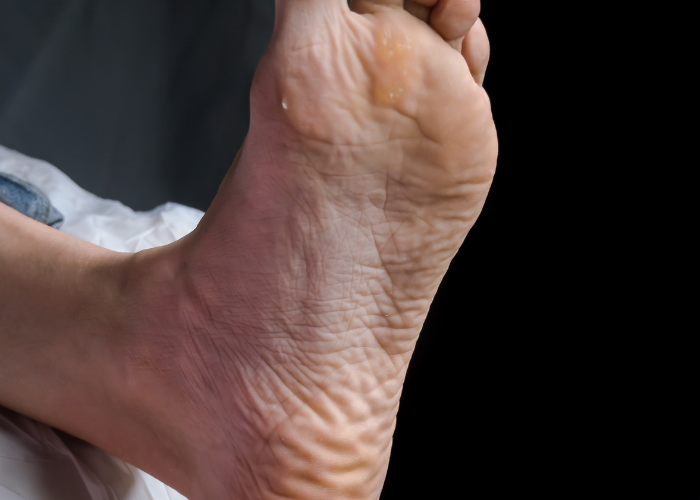
Corns and Calluses in Diabetes: Why Self-Treatment Is Risky
Finding a small patch of hard skin on your foot might not seem concerning. After all, corns and calluses are quite common. But when you have diabetes, even a minor foot problem deserves attention.
What looks like ordinary thickened skin could be hiding an injury underneath. And trying to remove it yourself, especially with sharp tools or medicated corn removers, can make things worse.
If you’re looking for a diabetes foot specialist in andheri or searching for diabetic foot andheri care, understanding these risks is an important first step.
Sometimes, a callus can develop into an open wound that requires professional diabetic wound treatment. The good news is that many serious foot complications can be prevented through regular examinations, suitable footwear, and timely medical care.
What Are Corns and Calluses?
Corns and calluses develop when your skin experiences repeated pressure or friction.
A corn is usually a small, thickened area of skin that develops on or between the toes. It may have a hard center and can become uncomfortable when wearing shoes.
A callus generally covers a larger area, commonly appearing on the heels or soles of the feet.
Both are your skin’s natural response to ongoing pressure.
For someone without diabetes, these patches may be relatively straightforward to manage. However, diabetes can affect how well your feet detect injuries and recover from them.
That’s why an apparently harmless callus should never be ignored.
Why Are Corns and Calluses More Dangerous in Diabetes?
- You May Not Feel an Injury
Diabetes can damage the nerves in your feet, causing a condition called diabetic peripheral neuropathy.
When this happens, you may gradually lose the ability to feel pain, pressure, or temperature changes.
Imagine having a small stone inside your shoe and walking around without realizing it. The continuous pressure could damage your skin, even though you don’t feel anything unusual.
The same thing can happen beneath a thick callus. Over time, the skin underneath may break down and form an ulcer.
- Wounds May Take Longer to Heal
Diabetes can also affect blood circulation, particularly in the legs and feet.
When blood supply is reduced, damaged tissues may not receive enough oxygen and nutrients for normal healing.
High blood glucose levels can further interfere with healing and the body’s ability to fight infections.
Not everyone with diabetes develops these complications, but regular foot assessments help identify problems before they become serious.
- A Callus Can Hide an Ulcer
One of the biggest concerns with diabetic calluses is that damage can develop underneath the hardened skin.
You might notice a dark spot, dried blood, swelling, or a change in the appearance of the callus.
These changes can indicate underlying tissue damage.
Rather than attempting to remove the thickened skin, arrange a medical examination promptly.
Why Should You Avoid Removing Corns at Home?
It’s understandable to want to remove a corn when it becomes uncomfortable. Many people turn to pharmacy products or household tools because they seem convenient.
However, these methods can be particularly dangerous when you have diabetes.
Common Self-Treatment Mistakes
- Cutting with scissors or blades: Even a small accidental cut can develop into a serious wound.
- Using medicated corn plasters: Products containing salicylic acid can damage surrounding healthy skin.
- Applying chemical corn removers: These may cause burns, especially if you have reduced sensation.
- Scrubbing with rough files: Excessive friction can injure the skin beneath a callus.
- Getting aggressive pedicures: Cutting or scraping thick skin during salon treatments can cause unnoticed injuries.
Even using a pumice stone should be discussed with your healthcare professional first.
A safer approach is to have the affected area examined by someone trained in diabetic foot care.
When Should You Visit a Diabetic Foot Specialist?
You don’t have to wait until a wound develops before seeking help.
If you notice a recurring corn, a growing callus, or changes in your foot’s shape, arrange an assessment.
Seek urgent medical attention if you notice:
- Redness, swelling, or unusual warmth around the affected area.
- An open wound, blister, or skin breakdown.
- Blood or discharge beneath a callus.
- Increasing pain or an unexplained change in skin color.
- Signs of infection, including pus or an unpleasant smell.
Blackened skin, fever with a foot wound, or rapidly spreading redness requires emergency medical evaluation.
When choosing a diabetes foot specialist in andheri, look for a qualified clinician who examines more than the visible skin problem.
An appropriate assessment may include checking circulation, nerve sensation, footwear, and areas experiencing excessive pressure.
What Happens During Professional Diabetic Foot Treatment?
If you visit a clinician for corns or calluses, the first step is understanding why the thickened skin developed.
Your doctor may examine your feet, assess blood circulation, check nerve function, and review your footwear.
When appropriate, a trained professional can carefully remove excess callused skin using suitable instruments.
If an ulcer has already formed, diabetic wound treatment may involve wound cleaning, appropriate dressings, pressure relief, and assessment for infection.
Some people may also require diagnostic imaging, antibiotics for a confirmed infection, or evaluation by a vascular specialist.
The treatment plan depends on the wound’s severity and your overall health.
If you’re comparing diabetic foot andheri healthcare services, consider whether the clinic offers ongoing foot monitoring and timely referrals for more complicated conditions.
How Can You Prevent Corns, Calluses, and Diabetic Foot Ulcers?
You don’t need a complicated routine to look after your feet. A few consistent habits can make a meaningful difference.
Simple Daily Foot Care Tips
- Check your feet every day: Look at your soles, heels, and between your toes for cuts, redness, blisters, or skin changes.
- Wash and dry gently: Use lukewarm water and carefully dry the spaces between your toes.
- Moisturize dry skin: Apply a suitable moisturizer to dry areas, but avoid putting cream between your toes.
- Choose comfortable footwear: Wear well-fitting shoes that don’t rub or create pressure points.
- Inspect your shoes: Check for small stones, rough stitching, or other objects before putting them on.
- Avoid walking barefoot: Protect your feet even when you’re indoors.
- Attend regular foot examinations: Your healthcare team can identify nerve damage, circulation concerns, and early skin problems.
Most importantly, never assume that a painless wound is harmless.
People requiring diabetic wound treatment often benefit from early medical assessment, before an infection or deeper tissue injury develops.
Frequently Asked Questions About Corns and Calluses in Diabetes
- Can people with diabetes safely remove calluses at home?
It’s best not to cut, shave, or chemically remove calluses yourself. These methods can injure the skin and increase infection risk. A qualified healthcare professional can assess the area and recommend appropriate treatment.
- Are corn removal plasters safe for diabetic feet?
Medicated corn plasters, particularly those containing salicylic acid, are generally unsuitable for people with diabetes unless specifically directed by a treating clinician. They can cause burns or skin damage.
- What is the difference between a corn and a callus?
A corn is usually smaller and more concentrated, often appearing on the toes. A callus covers a wider area and commonly develops on the soles or heels. Both result from repeated pressure or friction.
- When should someone seek diabetic wound treatment?
Any open foot wound in a person with diabetes should be assessed promptly. Treatment may include cleaning, dressings, infection management, and pressure relief, depending on the wound’s condition.
- How do I choose a diabetes foot specialist in andheri?
Look for a qualified healthcare professional experienced in diabetic foot assessments, neuropathy screening, circulation checks, and wound management. Access to specialist referrals is also important.
- Can diabetic foot andheri clinics help prevent foot ulcers?
Yes. Qualified diabetic foot care teams can assess ulcer risk, safely manage calluses, recommend suitable footwear, and provide regular monitoring to help prevent complications.



One Response